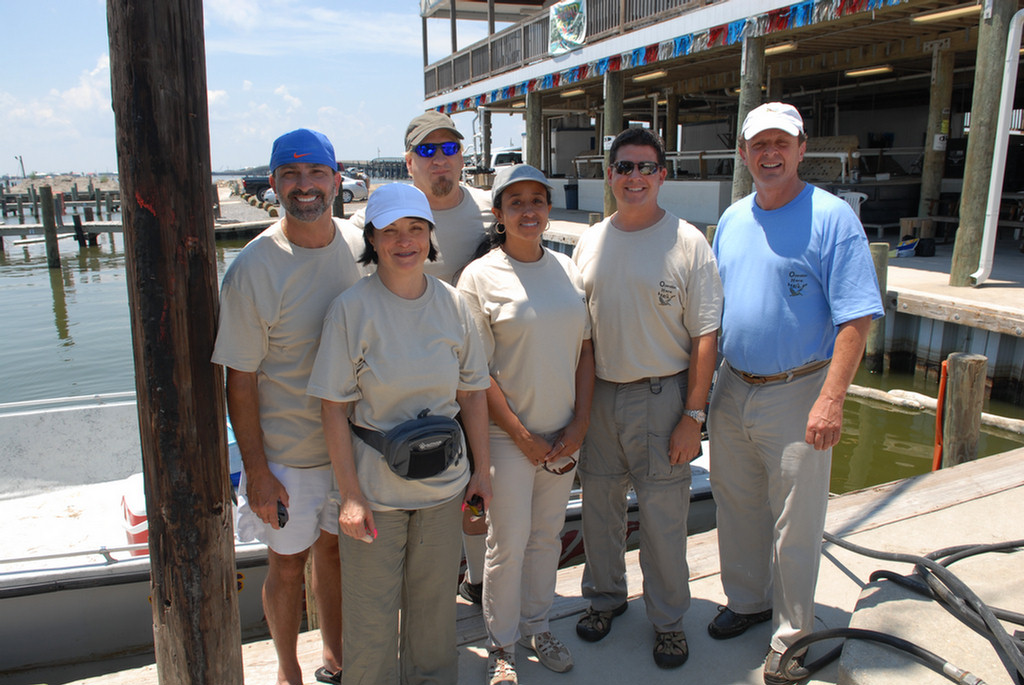
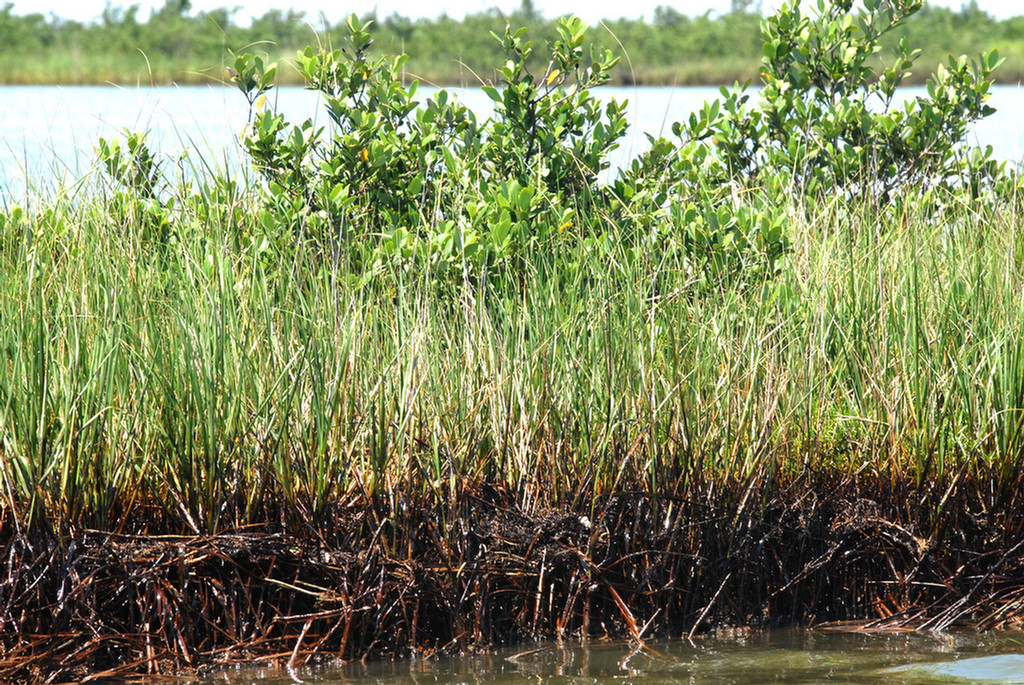
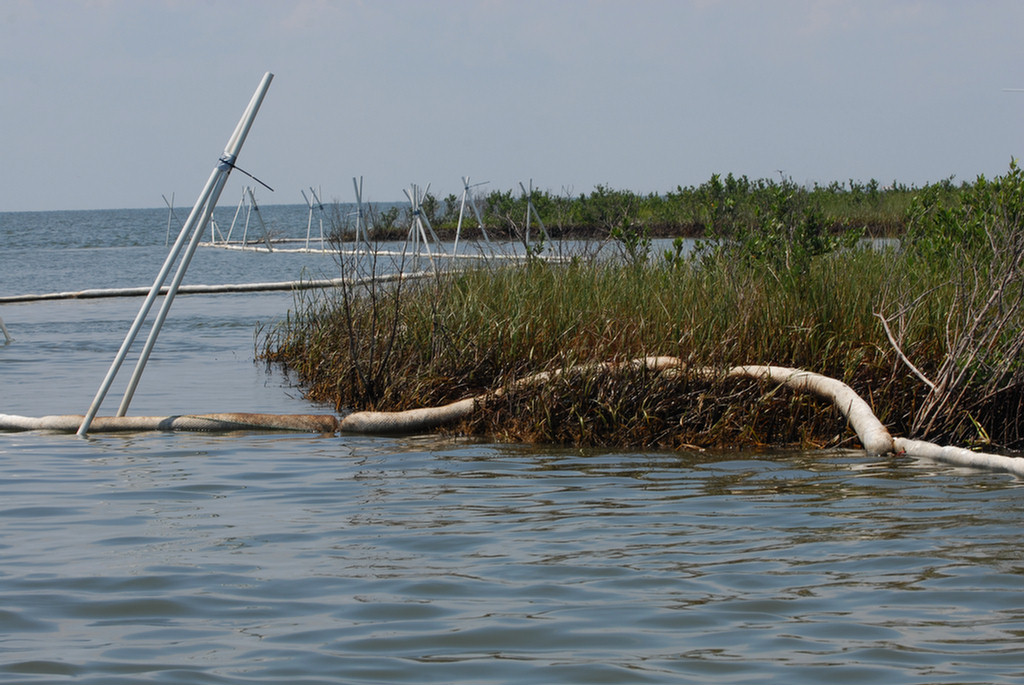
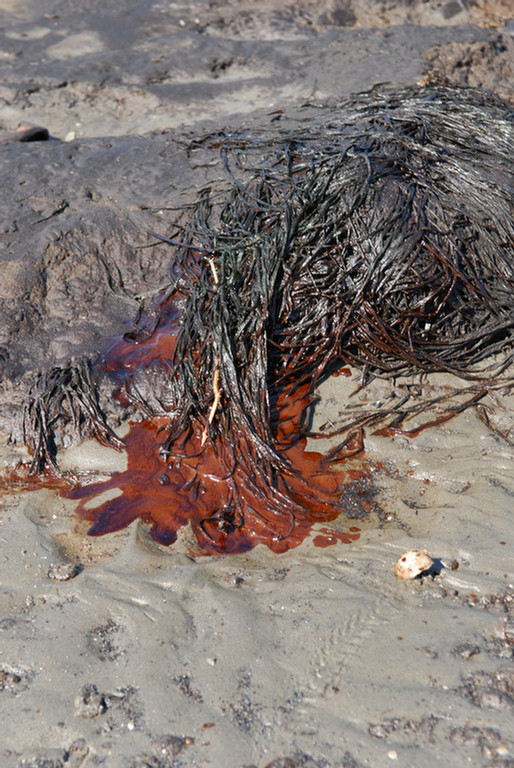
It becomes immediately obvious the current efforts are futile. The wetlands are covered in thick, dark oil.
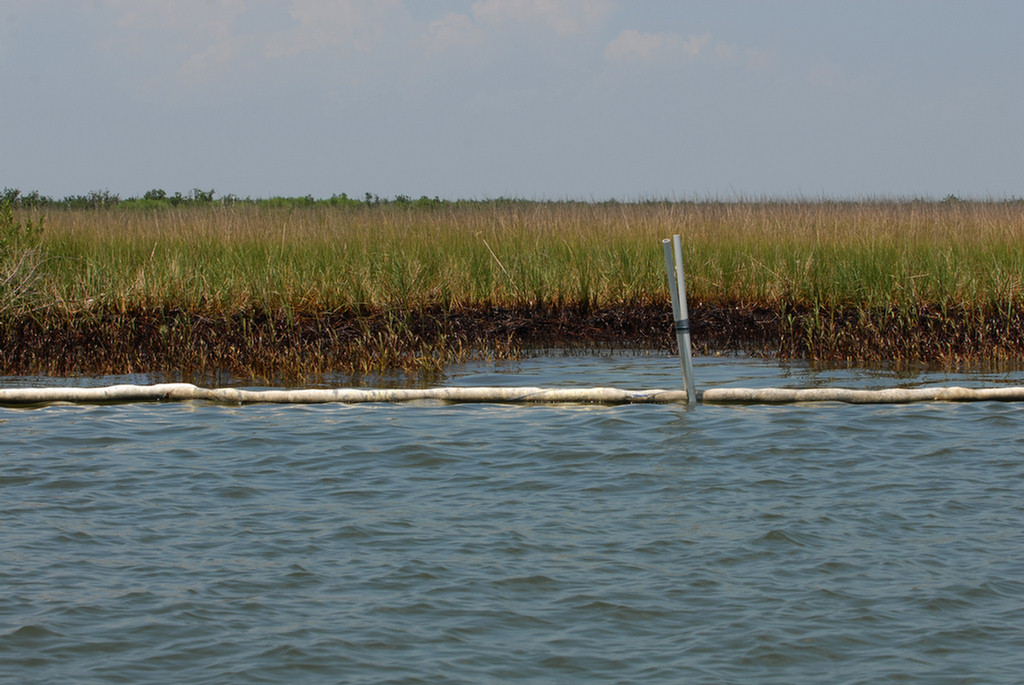
All these marsh grasses will soon die - they are the only thing keeping the soil from eroding away.
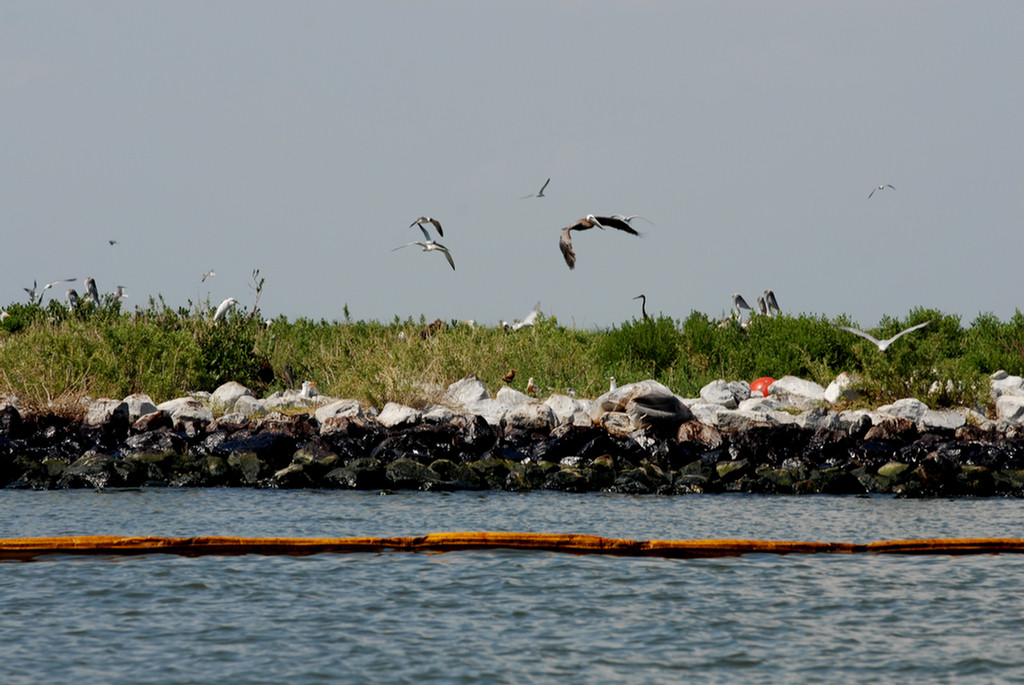
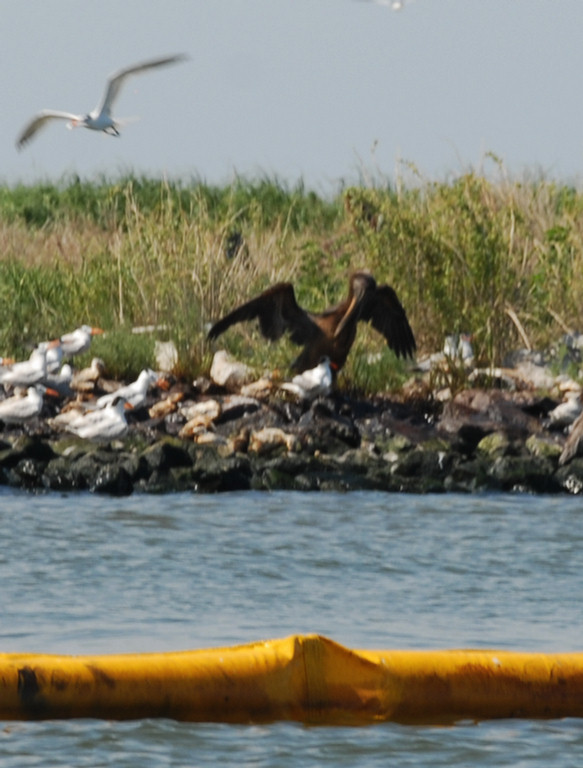
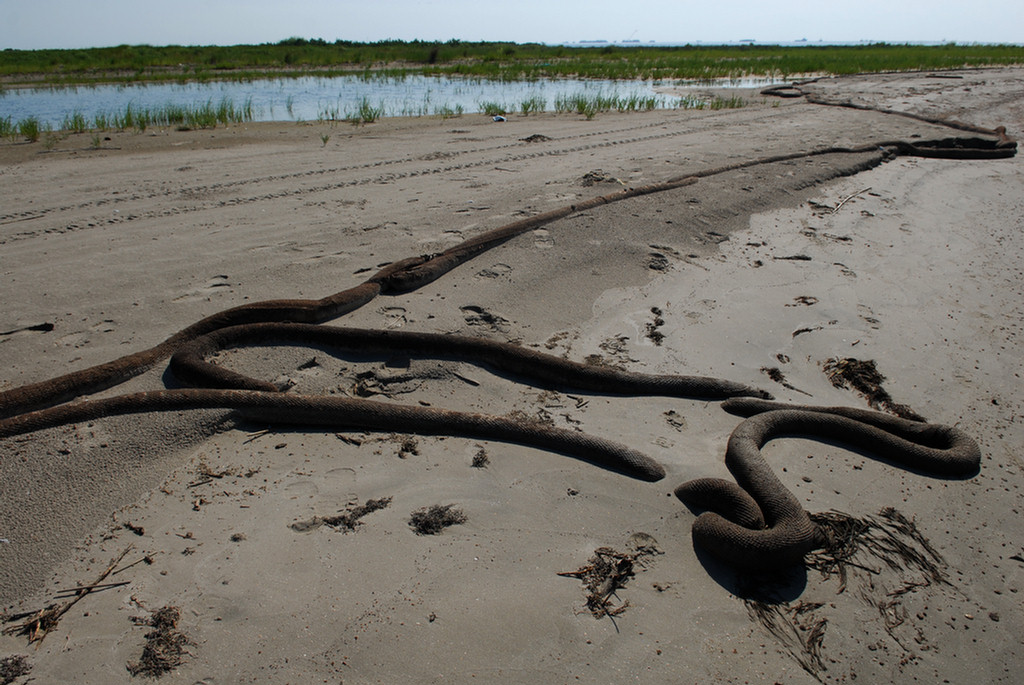
The oil-absorbent booms don't seem to be very effective at all.
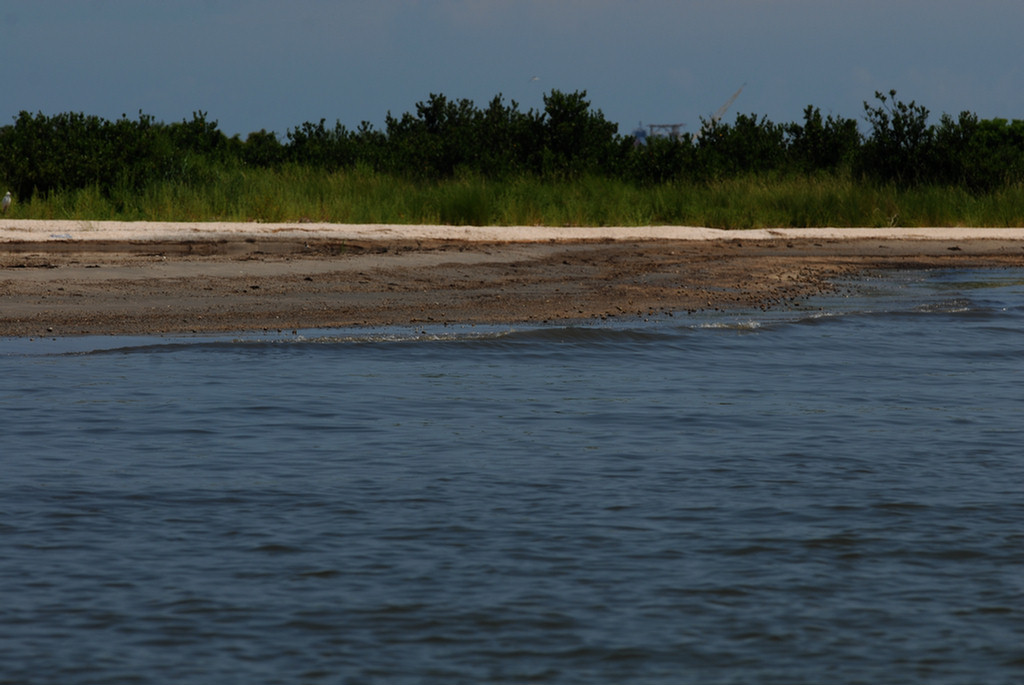
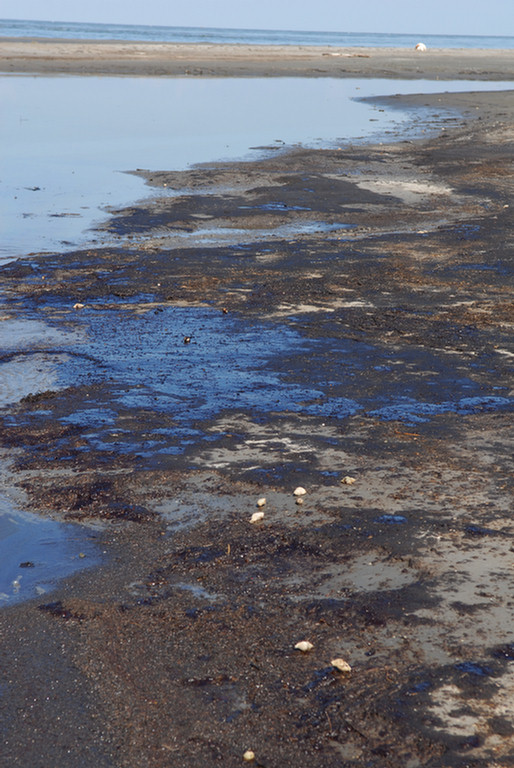
The dark line on the beach shows the oil incursion.
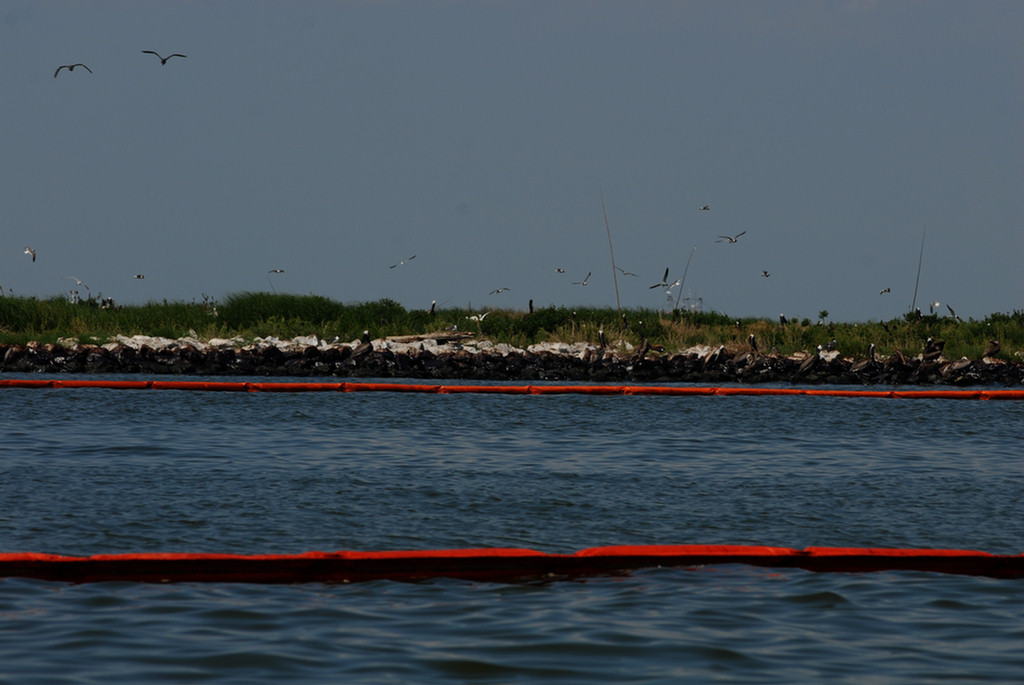
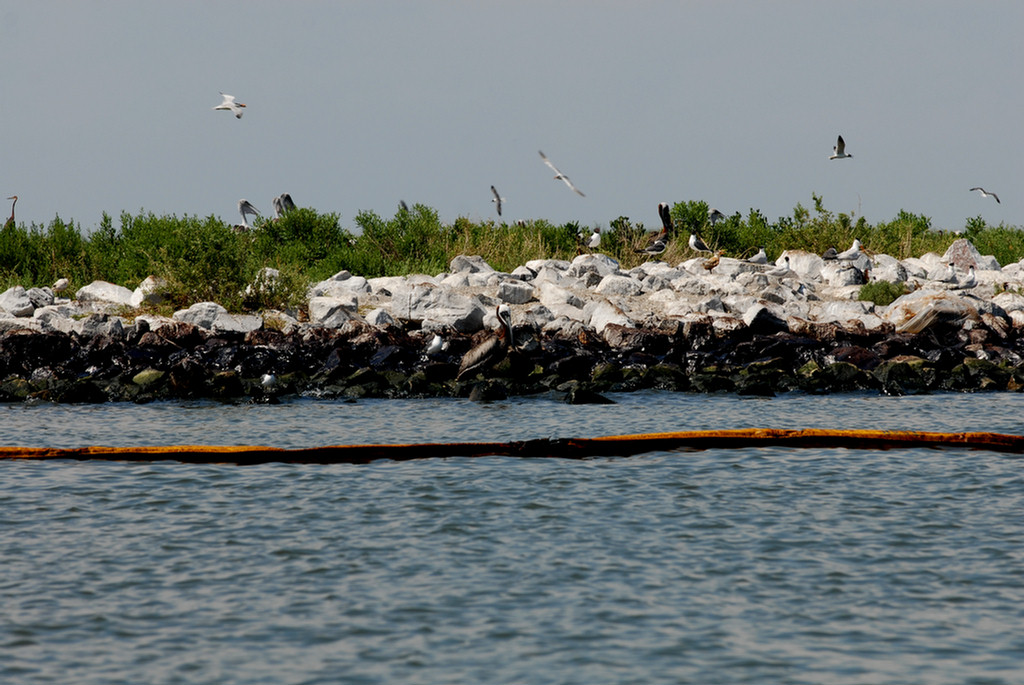
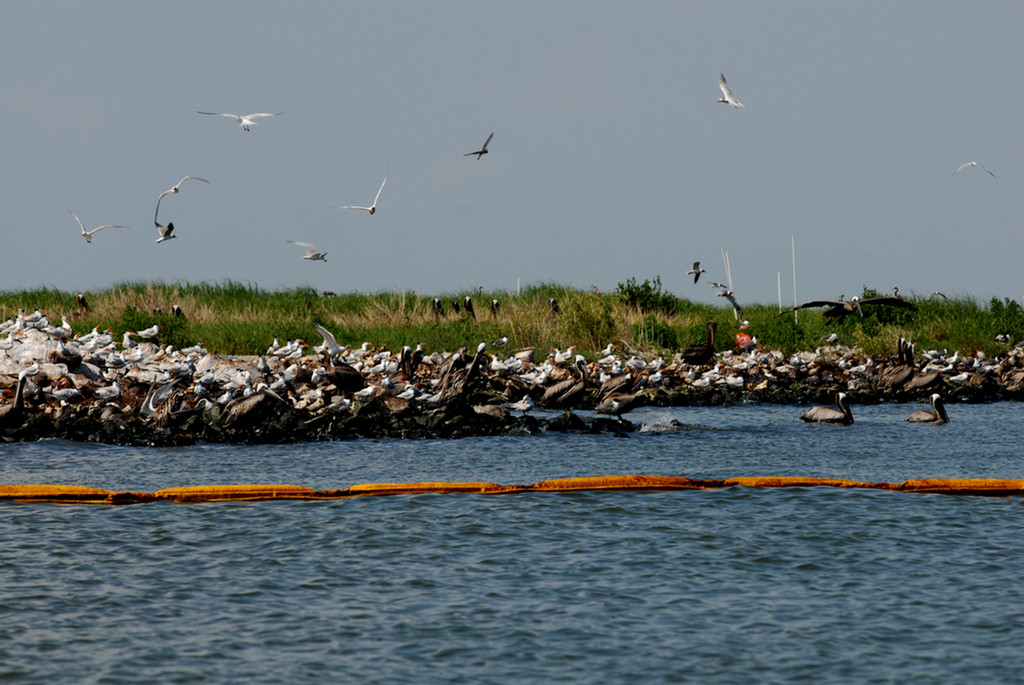
This is known as "bird island" to the locals. It's a national wildlife refuge. Humans are prohibited from visiting in order to avoid disturbing the many species of nesting birds on the island.
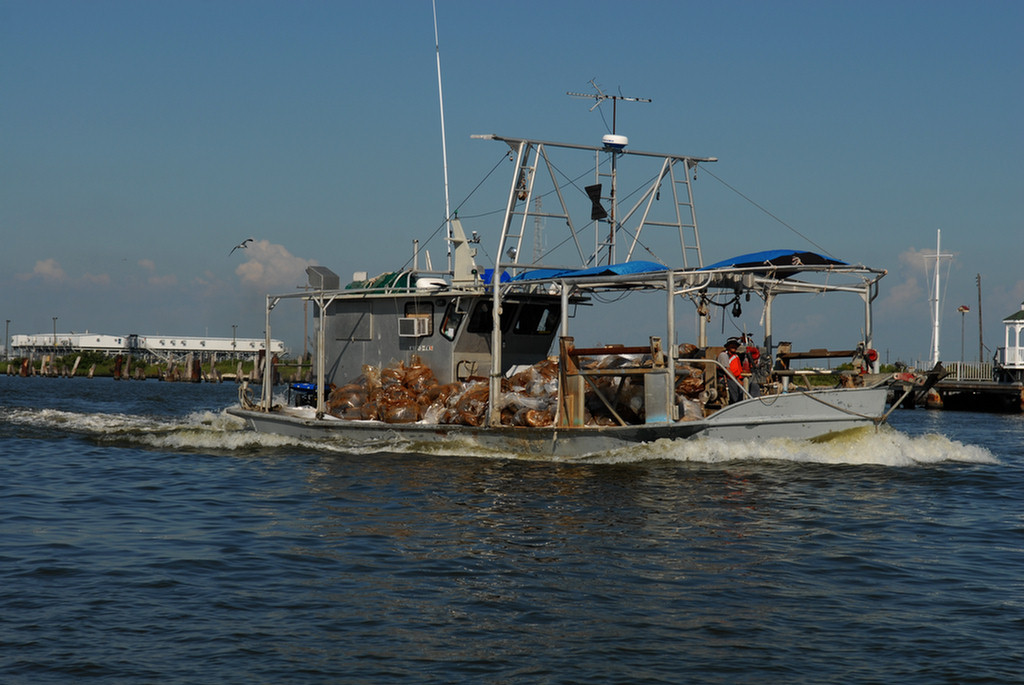
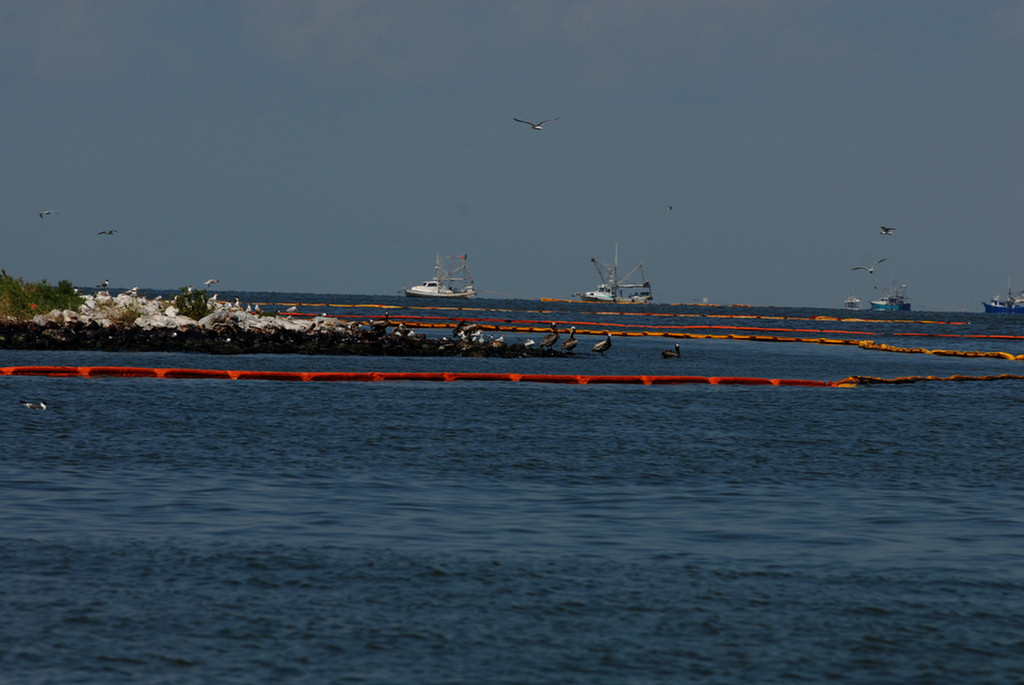
The "vessels of opportunity" (What BP calls the fishing boats that they've paid to run around in circles since they can't fish) seem to be incapable of stopping the oil from coming ashore.
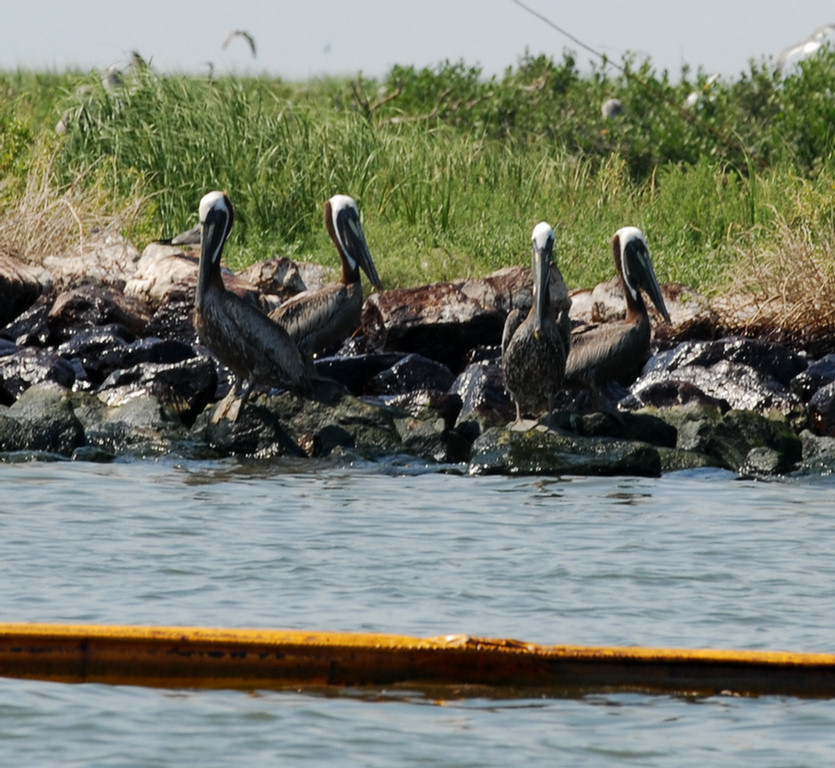
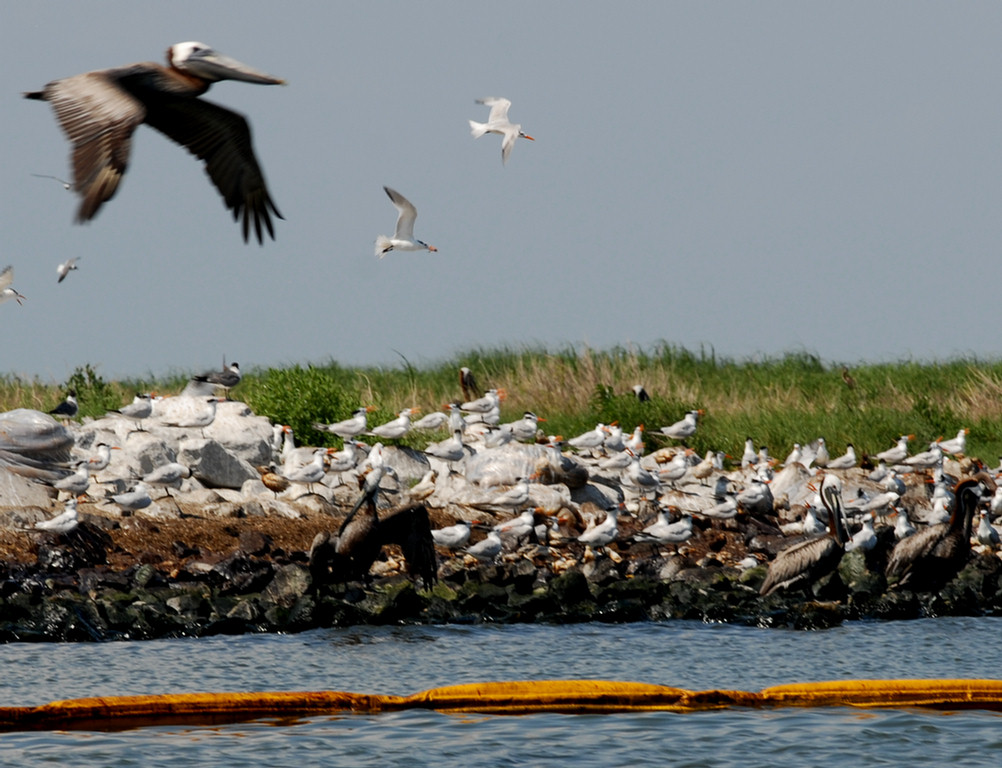
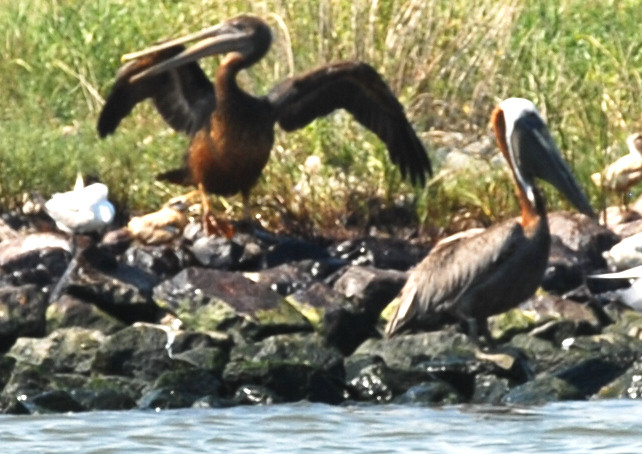
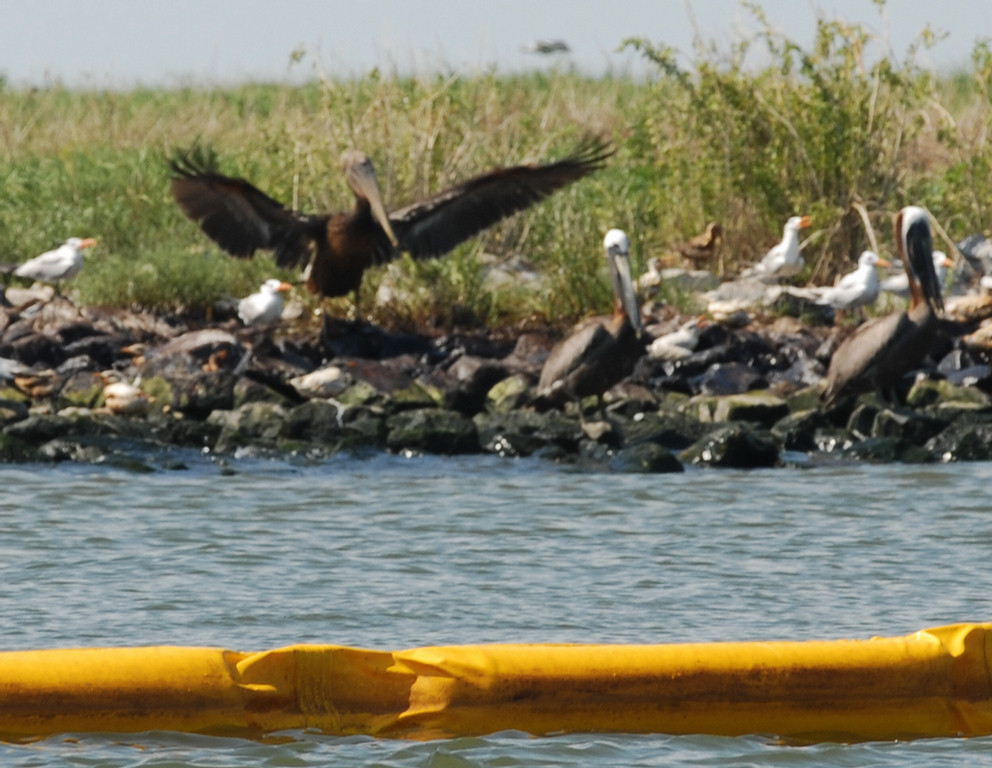
An oiled brown pelican tries to get the oil off its wings, however futile.
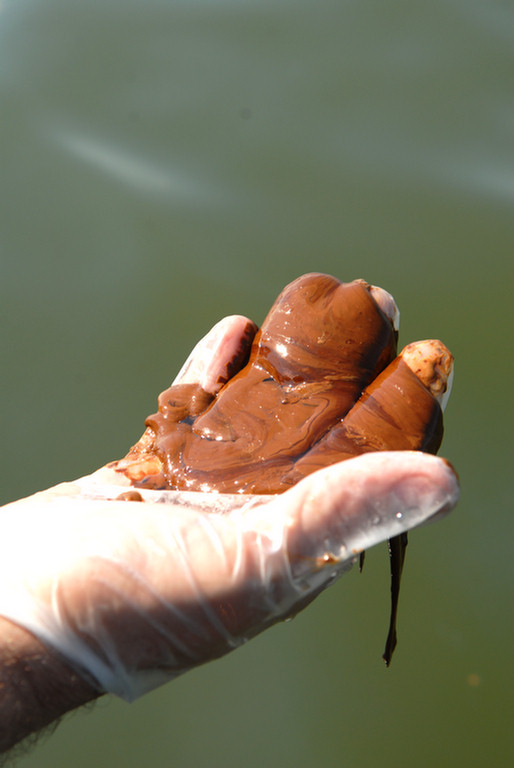
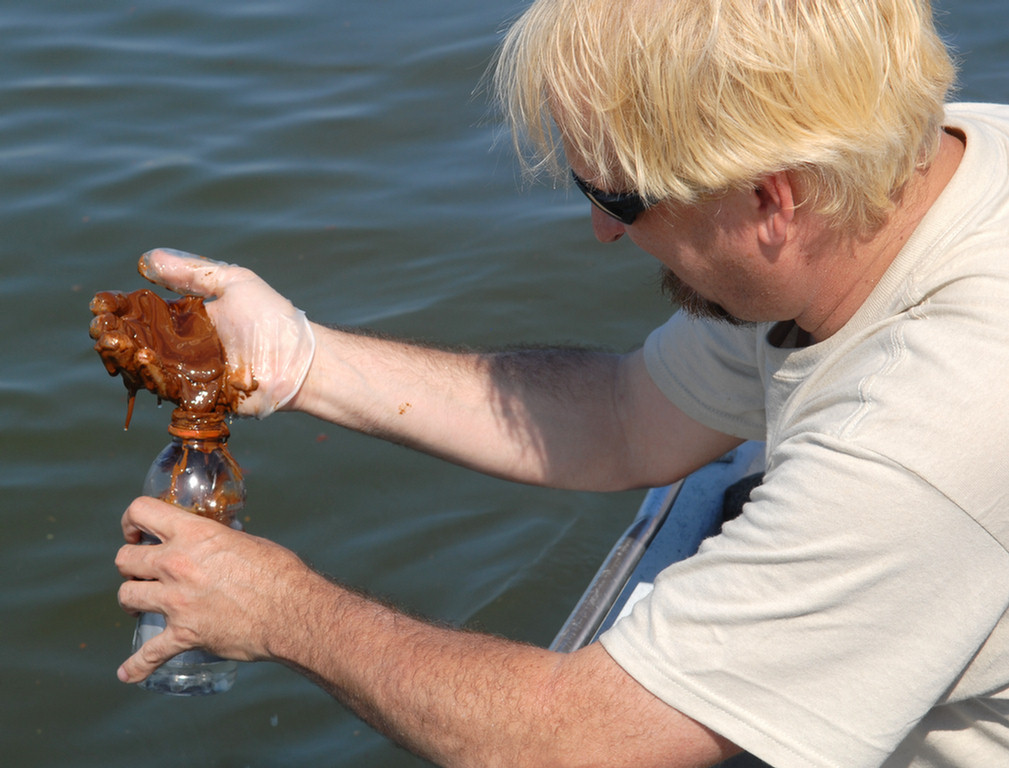
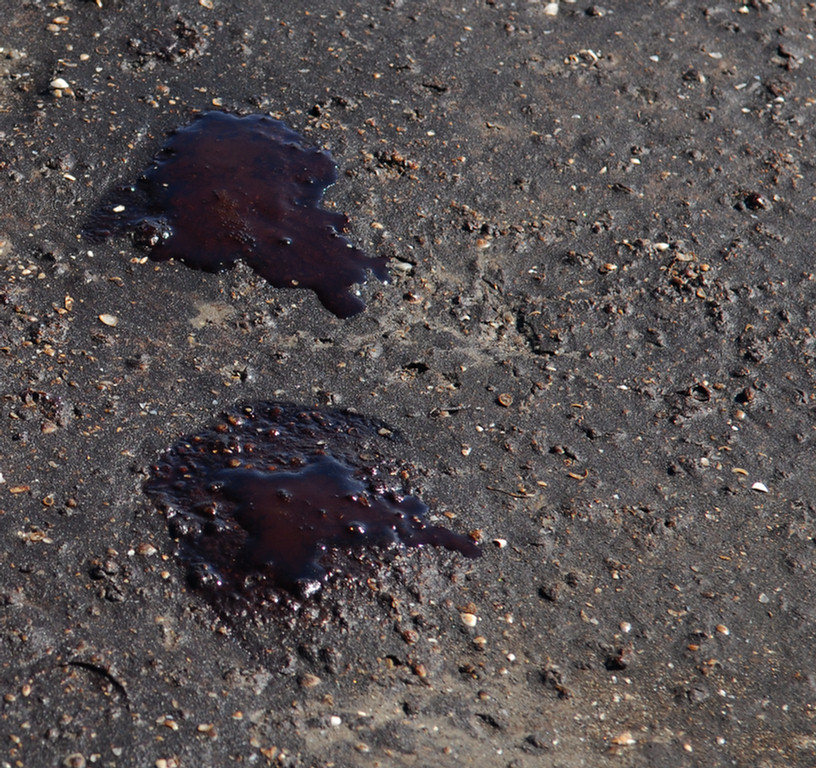
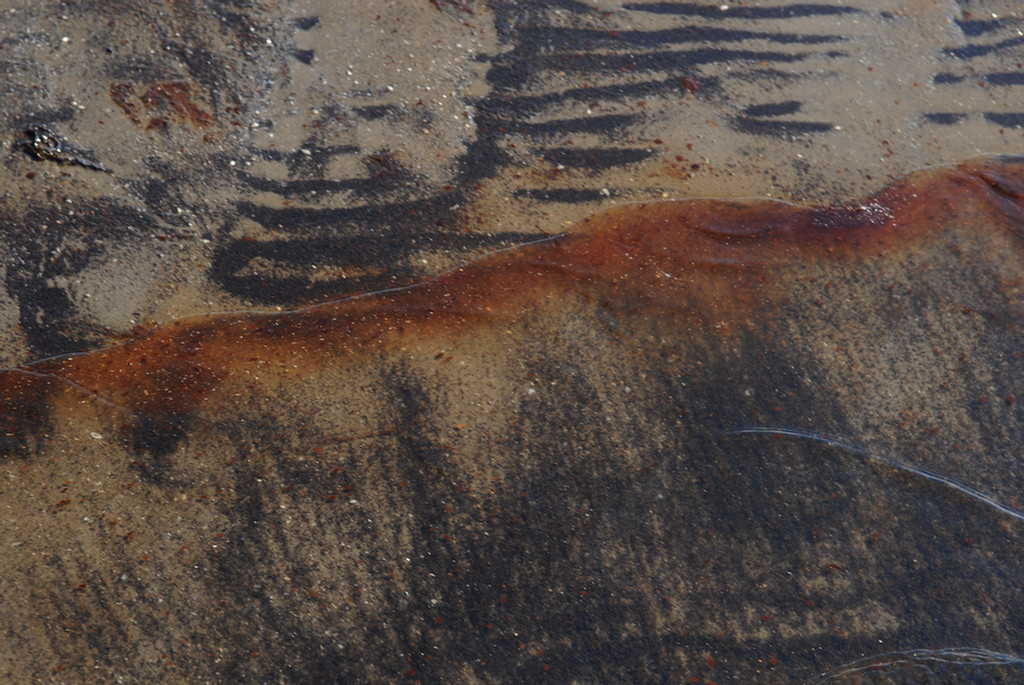
The oil mixed with dispersant is like "pudding".
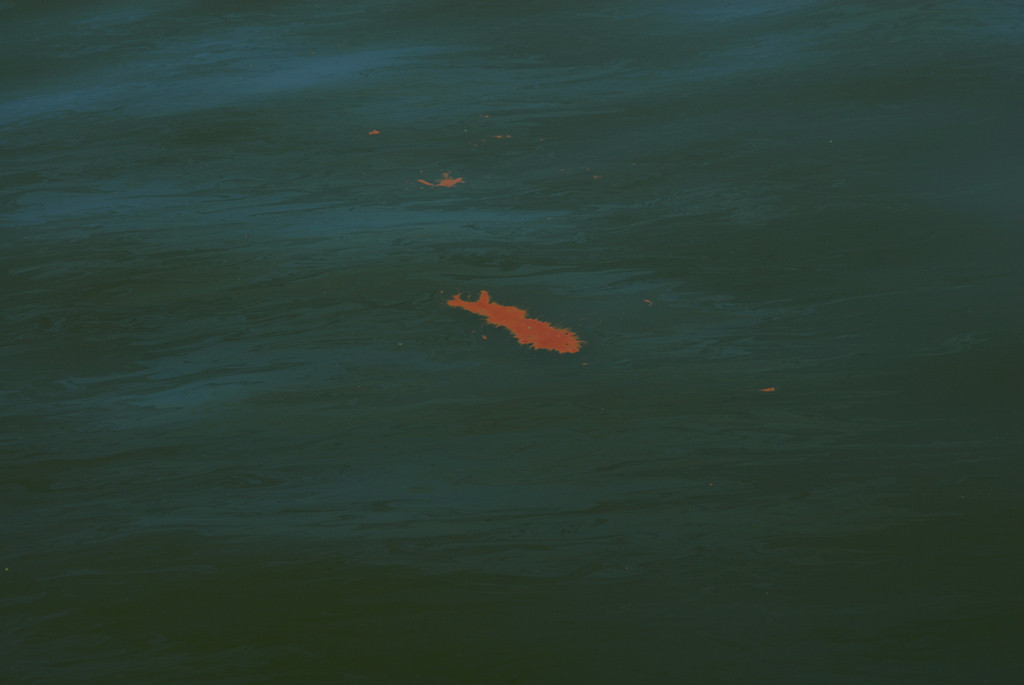
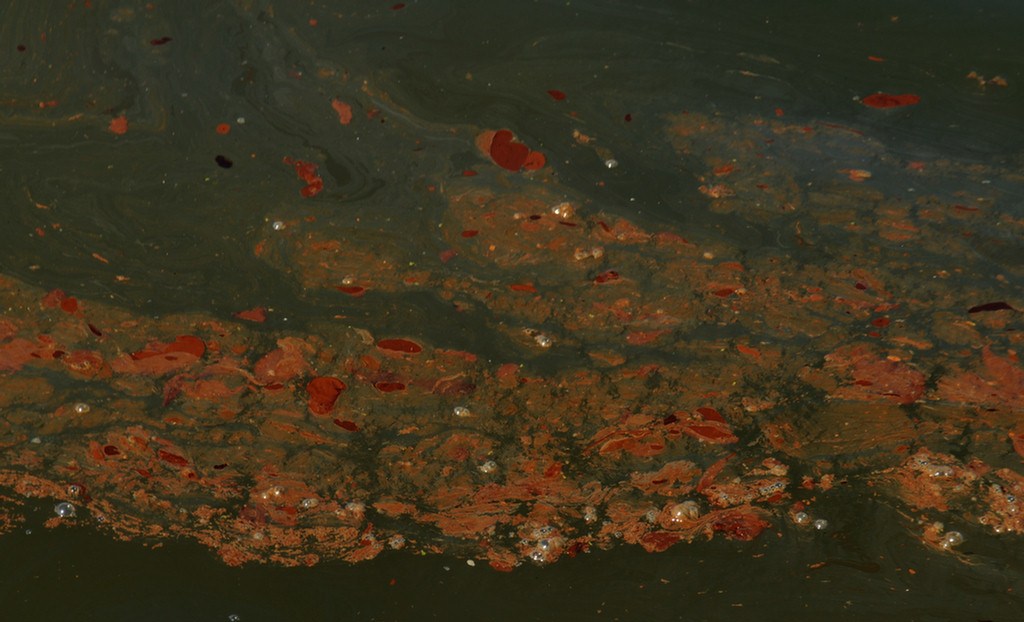
Most of the barrier islands are roped off with oil boom, but it seems to be ineffective in keeping the oil offshore - it's more likely used to keep people from getting close to the islands to see how bad it really is.
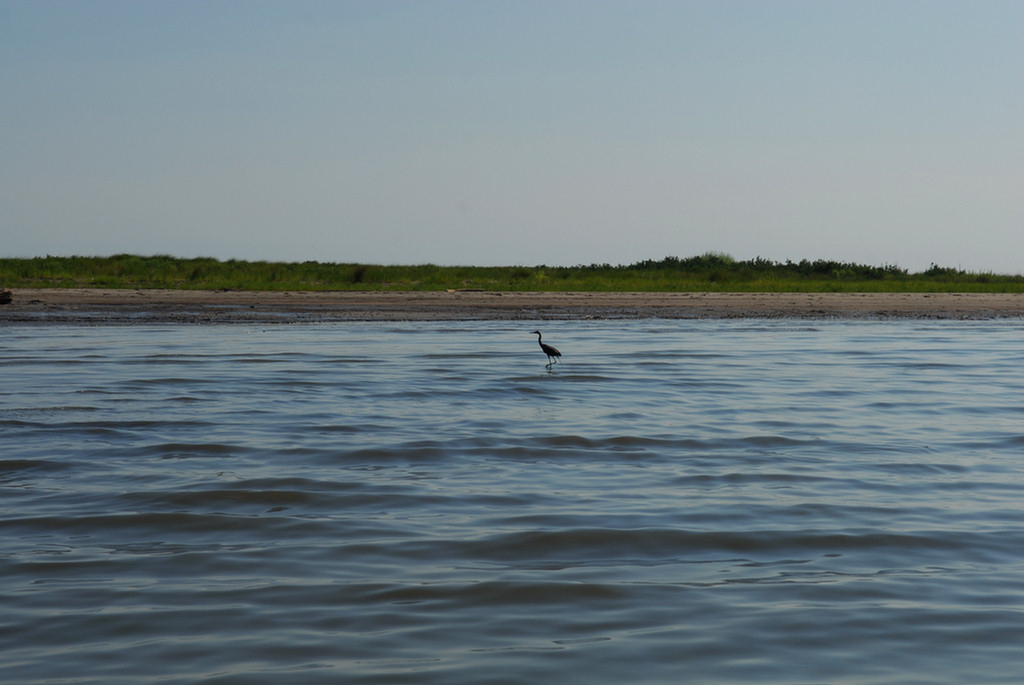
It doesn't stop us though....
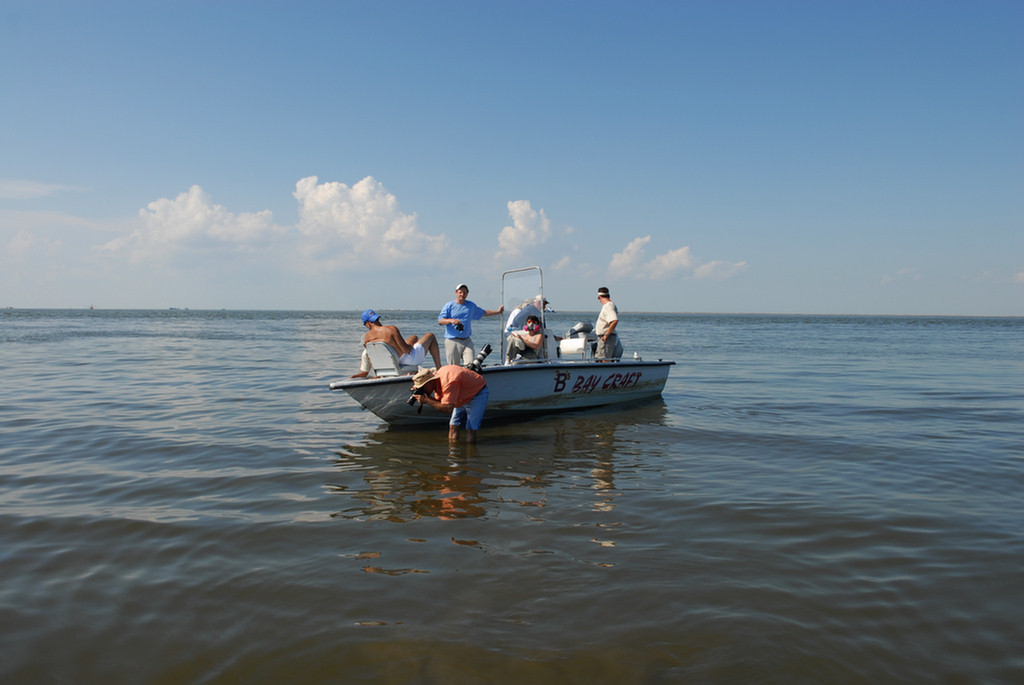
You can see brown waves of oil lap the shore.
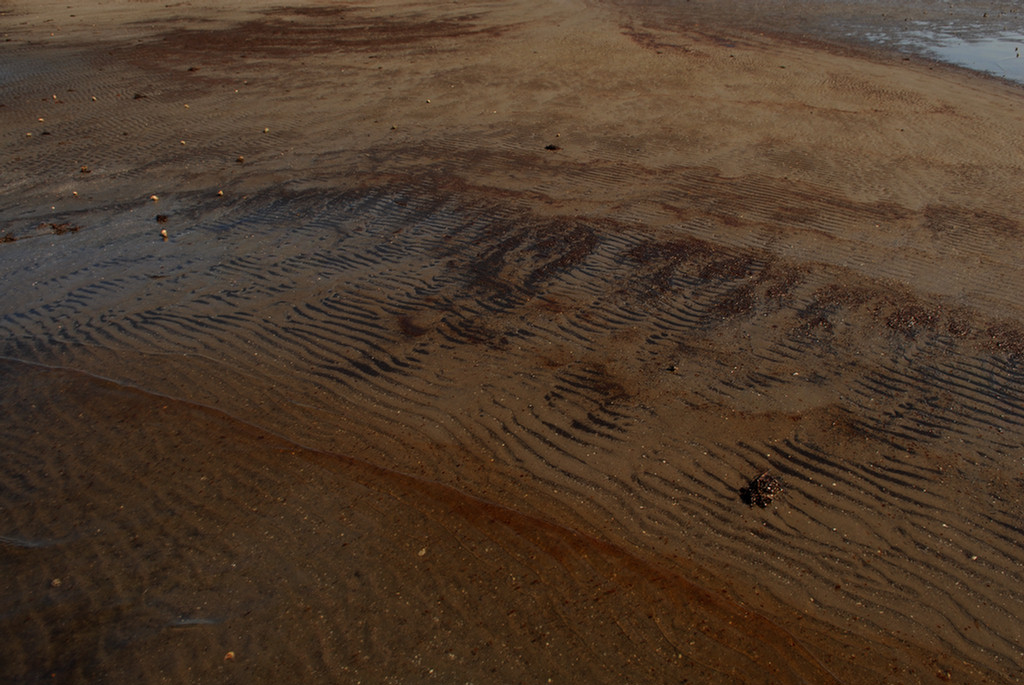
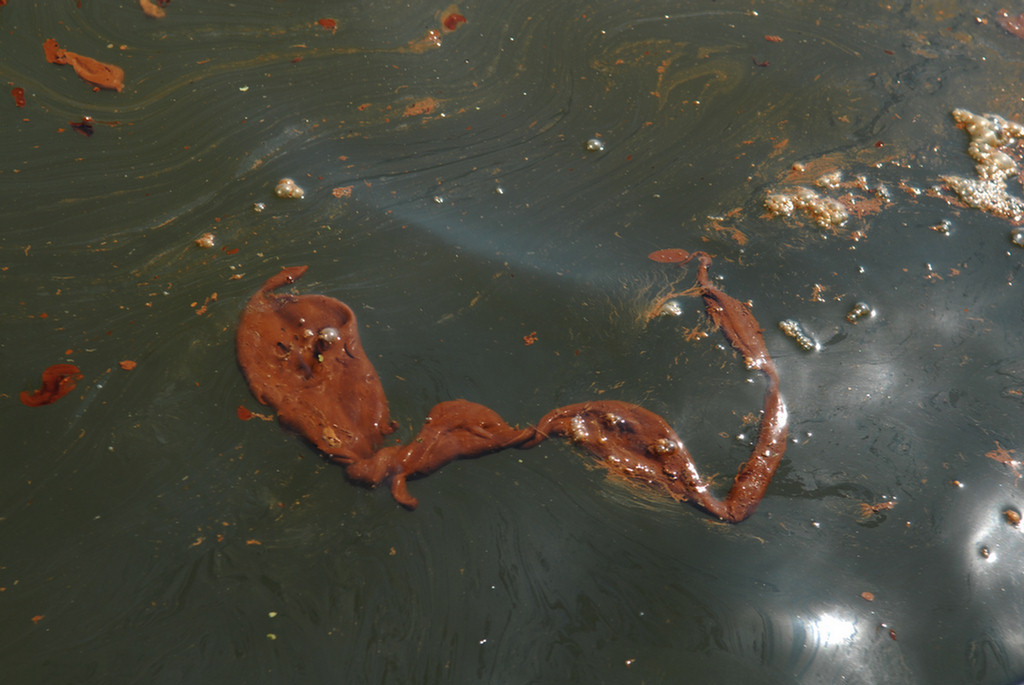
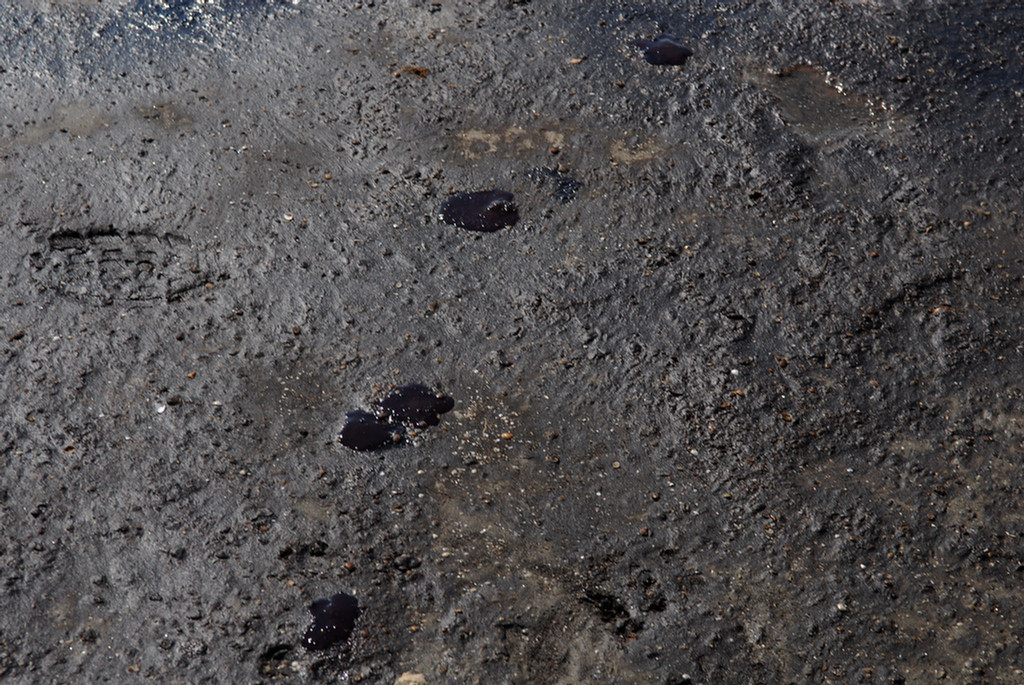
There are light colored globules of oil (mixed with dispersant) everywhere, and much more raw crude beneath the sand which oozes up.
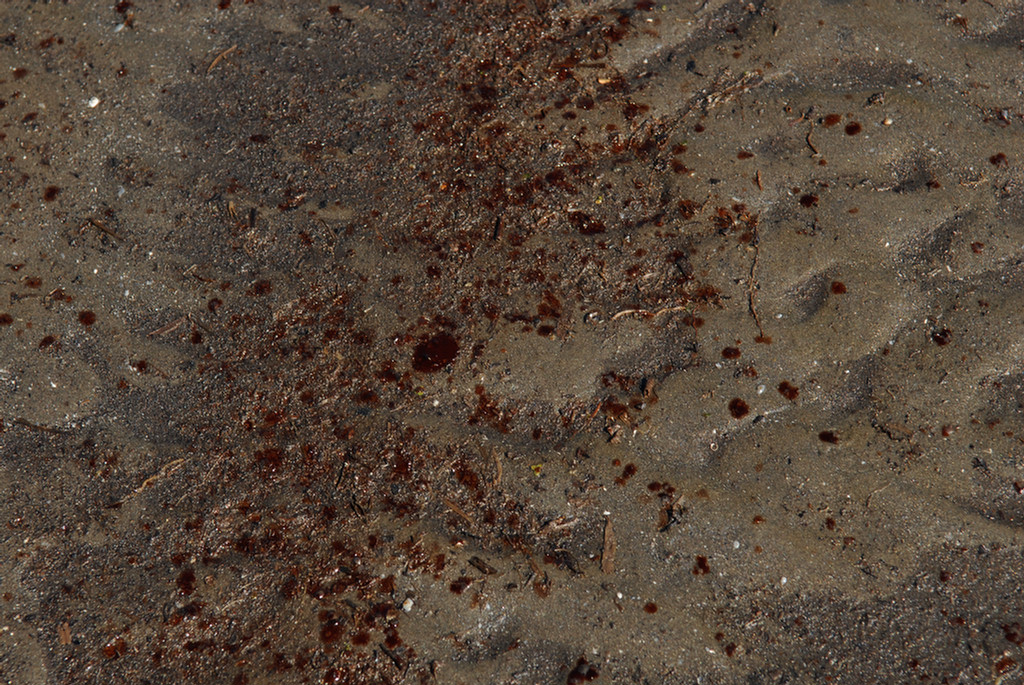
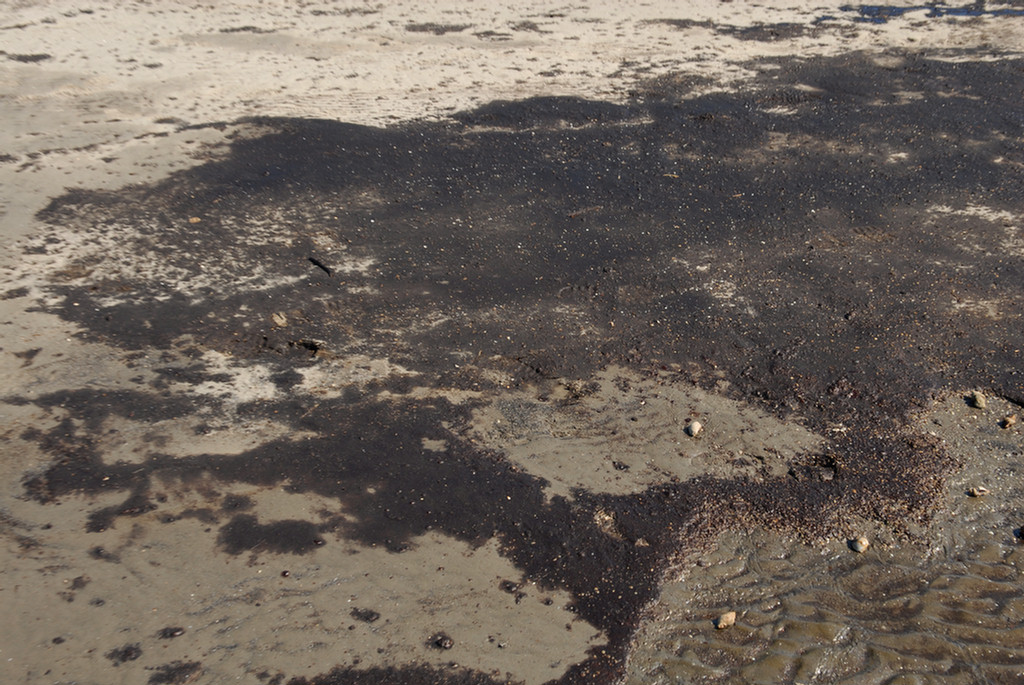
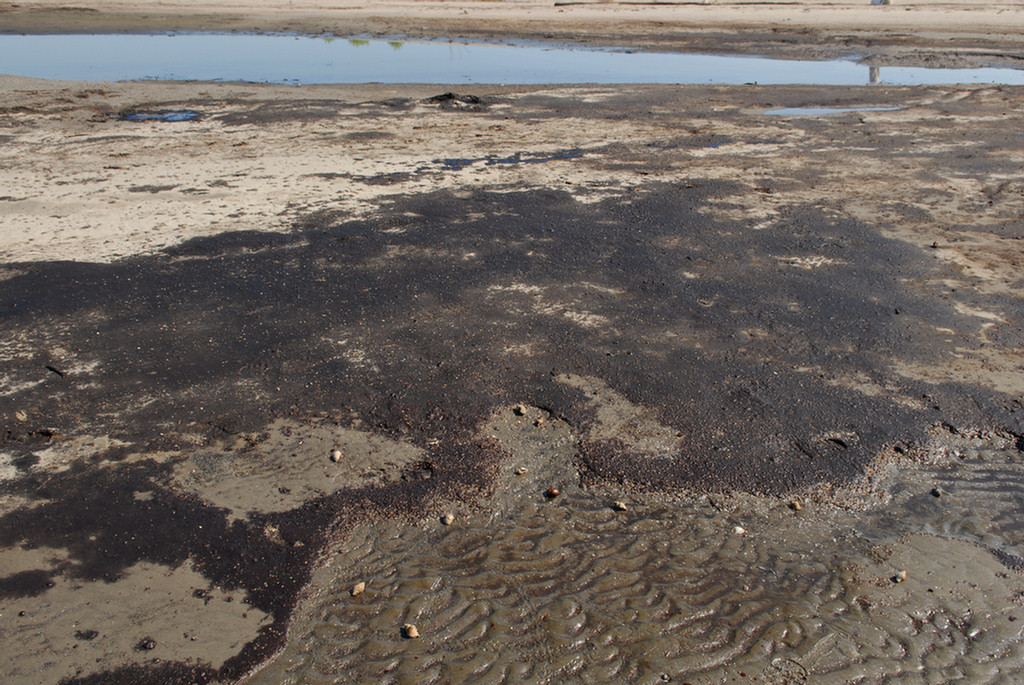
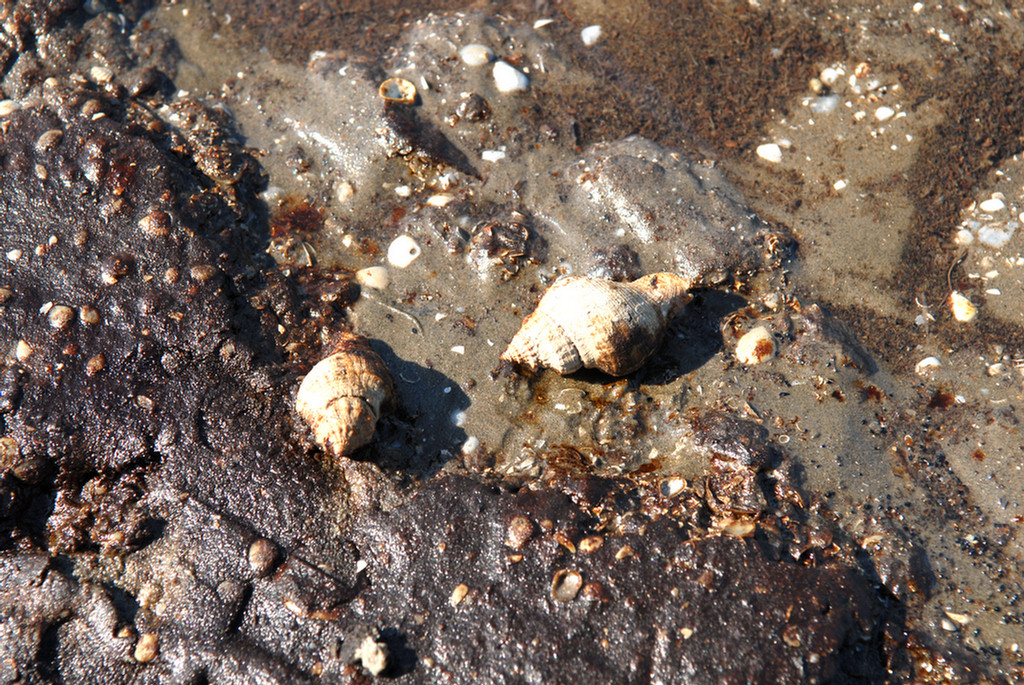
If you walk across the beach, where you make footprints, will begin to ooze oil.
Boom appears to be washed ashore, useless.
Dead grass covered in oil.
This is probably what Florida and Alabama have to look forward to, but BP won't be showing these images...
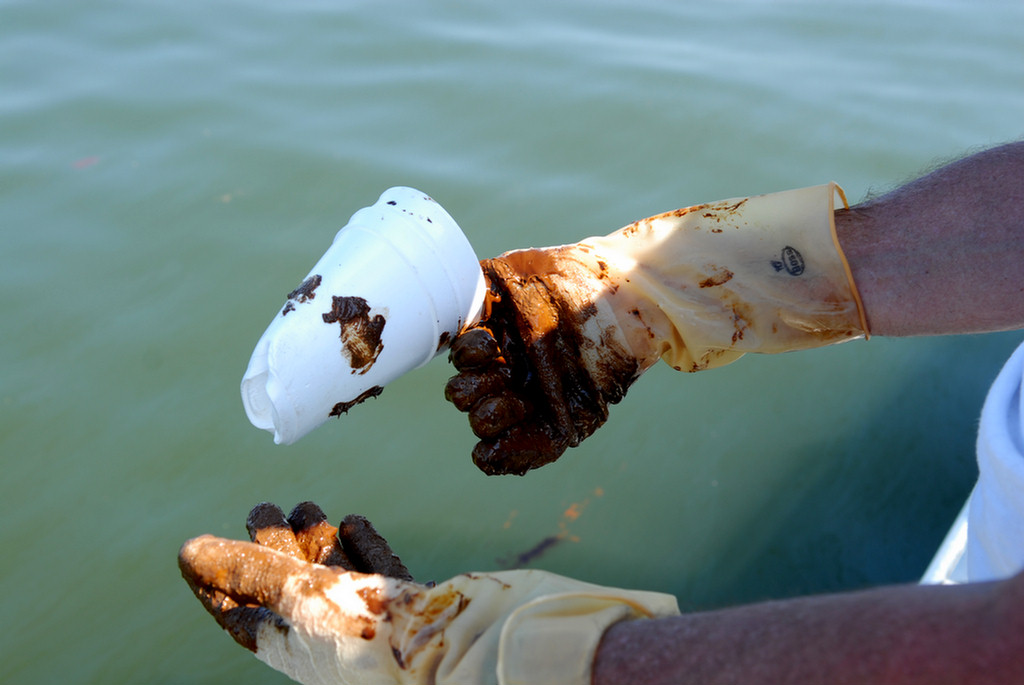
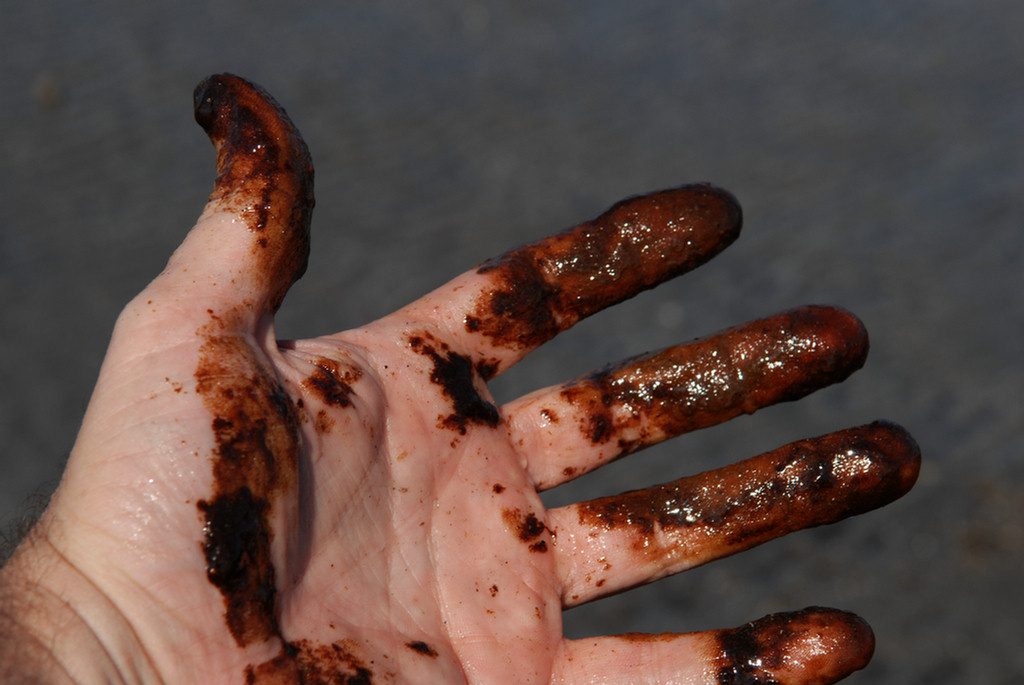
This stuff is really messy and difficult to get off.
Boats bring in bags of oil-soaked materials to be disposed of.